
Mesh Nebulizer Troubleshooting & Cleaning Guide: Quick Fixes & Daily Care
In 90% of cases, a portable mesh nebulizer stops misting because microscopic 2 to 5-micron laser apertures are blocked by dried saline or drug residue. Resolving this requires a 15-minute warm distilled water (104°F / 40°C) soak of the medicine cup assembly. Never touch, wipe, or poke the delicate metal mesh membrane with pins, needles, or cotton swabs, as this permanently ruins the ultrasonic vibration seal.
5 Essential Rules of Mesh Nebulizer Care
Daily & Weekly Cleaning Protocol Checklist

Photo by Max Vakhtbovych on Pexels
- Post-Treatment: Immediately pour out any remaining medication from the cap.
- Post-Treatment: Add 2–3 mL of warm distilled water and run the device for 60–120 seconds to clear internal apertures.
- Post-Treatment: Gently shake off excess droplets and air-dry on a clean paper towel (do NOT touch the mesh disc).
- Weekly Soak: Detach the medication cup and submerge in 104°F (40°C) distilled water for 15 minutes.
- Weekly Sanitization: Wash masks and mouthpieces in warm, mild soapy distilled water; rinse thoroughly.
- Weekly Inspection: Inspect the gold contact pins on the main body and wipe with a dry cotton swab if oxidized.
Printable Nebulizer Troubleshooting Cheat Sheet
- Mist output stops mid-session? Perform a 2-minute warm distilled water flush.
- LED blinks orange/red or turns off after 5 seconds? Replace batteries with high-capacity NiMH rechargeable or Lithium AA cells.
- Liquid leaking from medication cap? Ensure the silicone sealing ring is seated flush in the groove before latching.
- Sputtering or uneven aerosol dispersion? Clean the rear gold contact pins with a dry cotton swab to restore 3V electrical connectivity.
- Never use tap water, essential oils, or hypertonic saline without an immediate distilled rinse.
Mesh Nebulizer Diagnostic Decision Tree
- Does the power light turn on when pressing the switch? → Yes: Proceed to check mist creation logic.. No: Clean rear contact pins and replace AA batteries with fresh Lithium cells.
- Is the unit emitting continuous mist when filled with distilled water? → Yes: Device hardware is functional. Your medication may be too viscous or suspension-based.. No: Proceed to mesh unclogging soak protocol.
- Does mist return after a 15-minute warm (104°F) distilled water soak? → Yes: Clog resolved. Maintain post-treatment 2-minute flushes daily.. No: Transducer membrane is calcified or worn. Replace detachable medication cup module.
Immediate Action Plan for Mist Restoration
Your decision: Identify whether your unit needs an immediate thermal soak, battery upgrade, or medication cup replacement.
Do this next: Execute the 15-minute warm distilled water soak now. If mist volume remains low after two clean cycles, replace the mesh medicine cup assembly.
- Read next: How to Clean and Maintain a Portable Mesh Nebulizer While Traveling
- Read next: Troubleshooting Portable Nebulizer Power Issues and Battery Care Tips
Ensure uninterrupted therapy with the Portable Smart Nebulizer Humidifier featuring a detachable mesh cup for effortless daily cleaning.
If your nebulizer is failing during active treatment, take these practical recovery steps immediately.
Step-by-Step Unclogging Flowchart
- Check Power LED Status: Off or Flash Red? → Yes: Replace with 1.5V Lithium or 1.2V NiMH batteries (Alkaline drops below 2.4V operating threshold too fast).. No: Check liquid chamber..
- Is liquid chamber filled with high-viscosity drug or hypertonic saline (3-7%)? → Yes: Flush with 3mL warm distilled water. Test mist with distilled water only.. No: Check gold terminal contacts for moisture or corrosion..
- Are gold spring contact pins dry and shiny? → Yes: Submerge cup in 104°F distilled water soak for 15 mins.. No: Wipe pins gently with dry cotton swab to restore electrical contact..
Recommended Reliable Portable Mesh Nebulizer
Having a whisper-quiet, reliable backup handheld device ensures late-night pediatric croup or travel asthma flare-ups are handled without panic.
For a fully equipped solution, consider the Portable Smart Nebulizer Humidifier Pack. Featuring advanced titanium mesh technology, ultra-quiet operation under 25 dB, dual adult and child mask sizes, and an easily detachable medicine cup, it simplifies cleaning and provides consistent mist particle sizing (1–5 microns) wherever you travel.
Comprehensive Symptom-to-Solution Matrix
| Symptom | Probable Cause | Immediate Fix | Prevention Rule |
| --- | --- | --- | --- |
| No mist produced; power light solid green | Crystallized salt or drug scaling blocking micro-holes | Soak medicine cup in warm (104°F) distilled water for 15 min; run 2 min distilled flush | Flush 2-3 mL distilled water after every single treatment session |
| Device turns off after 3-10 seconds | Voltage drop below 2.4V operating requirement | Replace standard AA alkaline batteries with premium Lithium or 2400mAh NiMH rechargeable cells | Avoid low-cost zinc-carbon batteries; use dedicated high-drain power sources |
| Weak, thin mist density or sputtering flow | Oxidized gold contact pins or partial aperture block | Clean rear gold pins with a dry cotton swab; run warm distilled water rinse | Ensure cup is fully dry before snapping onto the main engine block |
| Liquid leaking from bottom of medicine cup | Warped, dirty, or misaligned silicone rim gasket | Remove silicone gasket, rinse in warm water, reseat firmly into cap groove | Never stretch silicone ring when wiping dry |
| Buzzing noise without aerosol generation | Air bubble trapped on inner side of mesh membrane | Gently tap medicine cup side 2-3 times while tilted at 45-degree angle | Fill medicine cup prior to snapping onto power base |
Match your device symptom directly to the underlying cause and immediate corrective fix.
Routine Nebulizer Maintenance Schedule
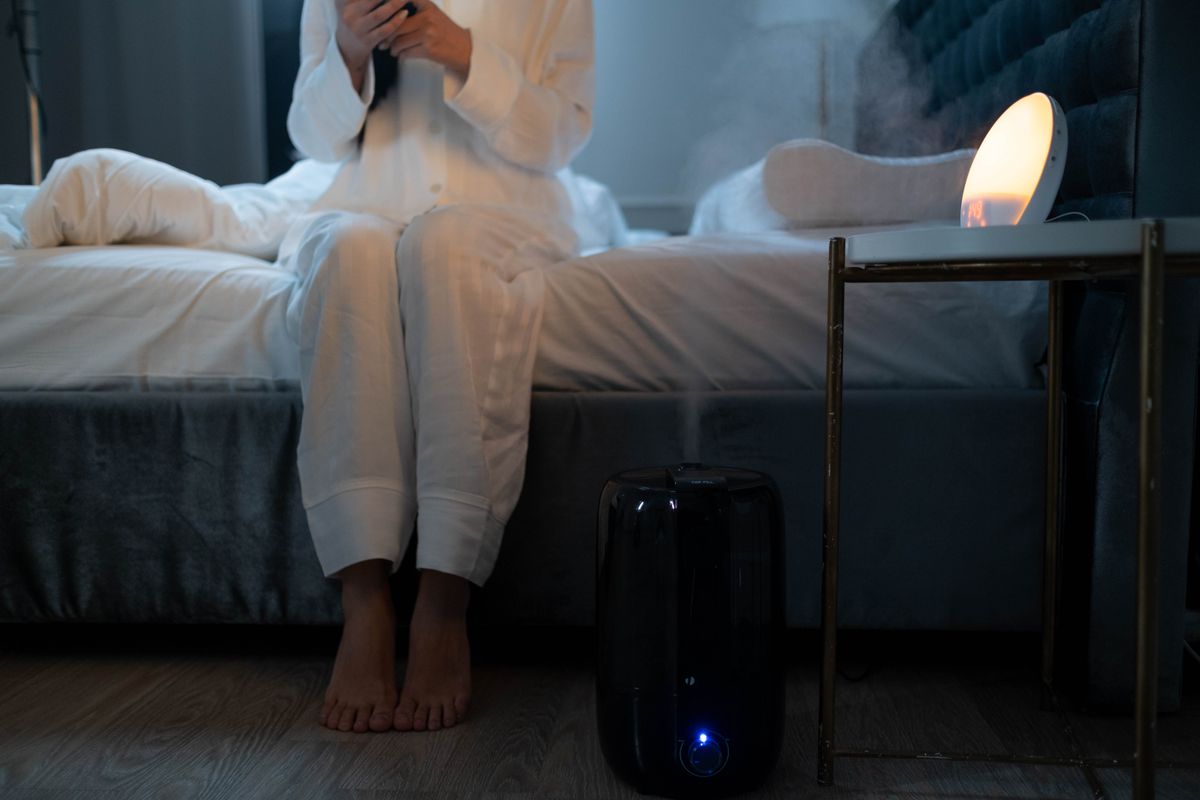
Photo by cottonbro studio on Pexels
- Immediate Post-Use (Daily) — Pour out leftover medication. Add 2-3 mL warm distilled water and run mist cycle for 2 minutes. Shake dry.
- End of Day (Daily) — Disassemble mask/mouthpiece, wash in warm dish-soapy distilled water, air-dry on paper towels.
- Every 7 Days (Weekly) — Submerge detached medicine cup in 104°F distilled water for 15 minutes. Wipe engine contact pins with a dry swab.
- Every 6-12 Months — Replace detachable medication cup assembly to restore factory particle sizing and mist output.
4 Critical Mistakes That Destroy Micro-Mesh Membranes
Ultrasonic mesh membranes rely on thousands of micro-holes laser-drilled into a metal sheet thinner than a human hair. Avoid these destructive habits:
Nebulizer Cleaning & Soak Timeline
- Minute 0 - 2 — Immediate post-treatment distilled water flush (run unit continuously).
- Minute 2 - 17 — Deep thermal soak of medicine cup in 104°F (40°C) pure distilled water.
- Minute 17 - 20 — Gentle rinse of silicone masks with distilled water; gently shake excess drops off cup.
- Hour 1 - 2 — Complete air-drying on clean paper towel in a dust-free room before reassembly.
Frequently Asked Questions About Mesh Nebulizer Care
Answers to critical maintenance and operational questions regarding handheld nebulizers.
Related Pediatric Respiratory Care Guides
- Troubleshooting Your Handheld Mesh Nebulizer: Common Issues & Quick Fixes
- Troubleshooting Mesh Nebulizer Flow: How to Maintain Quiet Performance and Optimal Nebulization Rate
- How to Clean Mesh Nebulizer: Step-by-Step Care Checklist
Next Steps for Smooth Daily Treatments
Your decision: Determine if your nebulizer requires a simple distilled rinse, fresh high-drain batteries, or a replacement medicine cup.
Do this next: Execute the warm distilled water soak protocol immediately to restore fine mist density.
- Read next: How to Clean and Maintain a Portable Mesh Nebulizer While Traveling
Ensure uninterrupted therapy with the Portable Smart Nebulizer Humidifier featuring a detachable mesh cup for effortless daily cleaning.
Keep your equipment performing at peak efficiency for dependable respiratory support.
Cover photo by Max Vakhtbovych on Pexels.