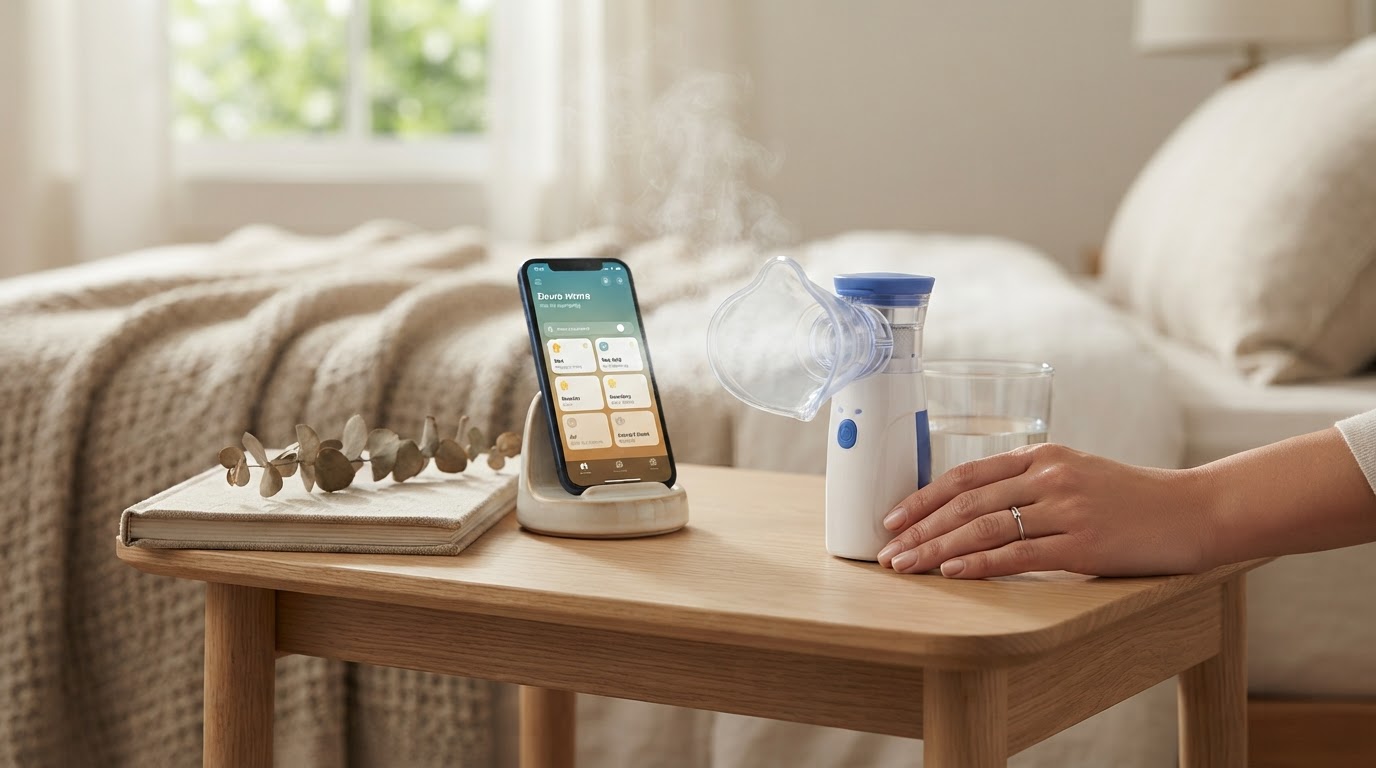
Managing Air Quality with Portable Smart Nebulizer Humidifier
 Priya RamanSenior Analyst
July 28, 2026. This analysis examines the integration of smartphone-controlled misting systems within personal wellness environments. It is intended for consumers seeking to bridge the gap between medical-grade nebulization technology and everyday home automation.
To evaluate the efficacy of these devices, think of it as a matrix of two axes: delivery precision and remote accessibility. When these two dimensions intersect, the user gains granular control over the immediate atmosphere, whether in a high-rise office or a hotel room. Traditional humidifiers often lack the specificity required for targeted respiratory comfort, but the advent of the app-controlled cool mist system allows for a data-driven approach to environmental management.
The Challenges of Static Air Environments
The primary difficulty in maintaining respiratory health in modern structures is the lack of dynamic moisture control. Standard HVAC systems are designed for large volumes, often leaving individual workstations or sleeping areas with humidity levels well below the recommended 30% to 50% range. This deficit frequently leads to dry mucous membranes, which can exacerbate existing respiratory conditions or simply cause general discomfort during long working hours. The decision rule for addressing this issue has historically been limited to bulky, manual units that require constant physical adjustments.
For those working in professional environments, finding a personal humidifier for office desk that doesn't disrupt others or damage electronics is a significant hurdle. Furthermore, the need for a silent portable humidifier for sleep highlights the demand for devices that operate without mechanical hums or gurgling sounds common in older ultrasonic models. These environmental stressors are compounded by the fact that most users do not have the time to manually monitor water levels or adjust output settings throughout the day, leading to inconsistent air quality that fluctuates between overly dry and excessively damp.
Technical Integration of the Portable Smart Nebulizer Humidifier
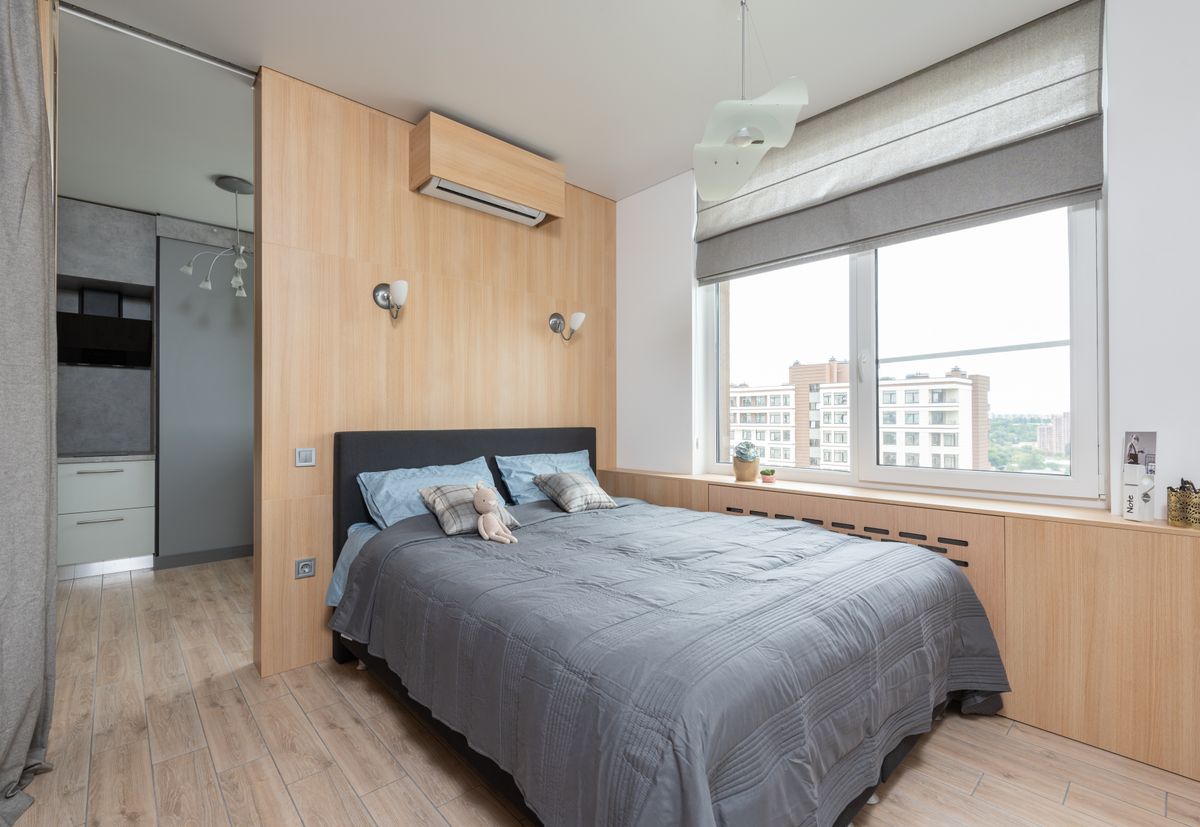
Photo by Max Vakhtbovych on Pexels
The Portable Smart Nebulizer Humidifier solves these logistical challenges by utilizing a mesh nebulizer system combined with wireless connectivity. Unlike traditional evaporative humidifiers, this device uses a vibrating mesh to break water into micro-fine particles, creating a cool mist that is more easily absorbed by the air and the respiratory system. This technology, often referred to as a mesh nebulizer for kids in clinical settings, is now available for general consumer use to provide a steady, controlled stream of moisture. The integration of an app allows the user to monitor these levels from a distance, ensuring the device is functioning optimally without needing to be physically present to toggle switches.
This specific model serves as an app controlled personal humidifier, allowing for scheduling and output adjustments that match the user's daily routine. For example, a parent can trigger the device in a baby nursery from another room, or a traveler can ensure their hotel room is prepared before they even return for the evening. The portability of the unit is enhanced by its USB-powered capabilities, making it a viable cordless cool mist inhaler for those on the move. Once you see it this way, the device is no longer just a water tank; it is a smart node in a broader personal health ecosystem. By utilizing the same technology found in a portable nebulizer for travel, the brand ensures that the mist is consistent and the operation remains quiet enough for use during high-focus tasks or deep sleep cycles.
A Decision Framework for Smart Humidification
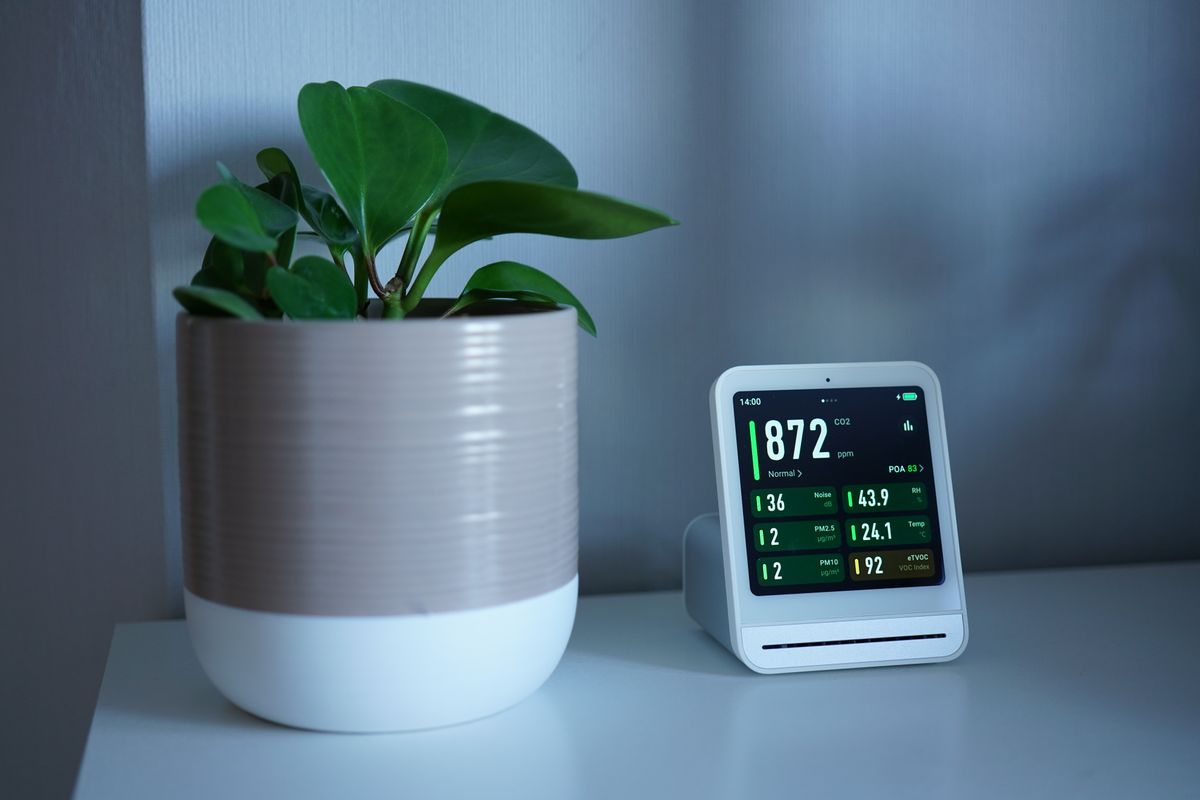
Photo by Tim Witzdam on Pexels
When selecting a smart cool mist humidifier, the decision rule should be based on the balance between mobility and technological features. The following checklist provides a structured approach to determining if a smart nebulizer system meets your specific requirements:
- Connectivity: Does the device offer dedicated app control for remote scheduling and mist intensity adjustment?
- Technology: Does it utilize a quiet mesh nebulizer system rather than a loud mechanical fan?
- Power Source: Is it a USB powered mini humidifier that can operate without a dedicated wall outlet during travel?
- Versatility: Can the unit serve both as a personal steam inhaler humidifier for congestion and a general room humidifier?
- Size: Is the footprint small enough to qualify as a travel size humidifier for hotel use without sacrificing tank capacity?
Shop Portable Smart Nebulizer Humidifier here.